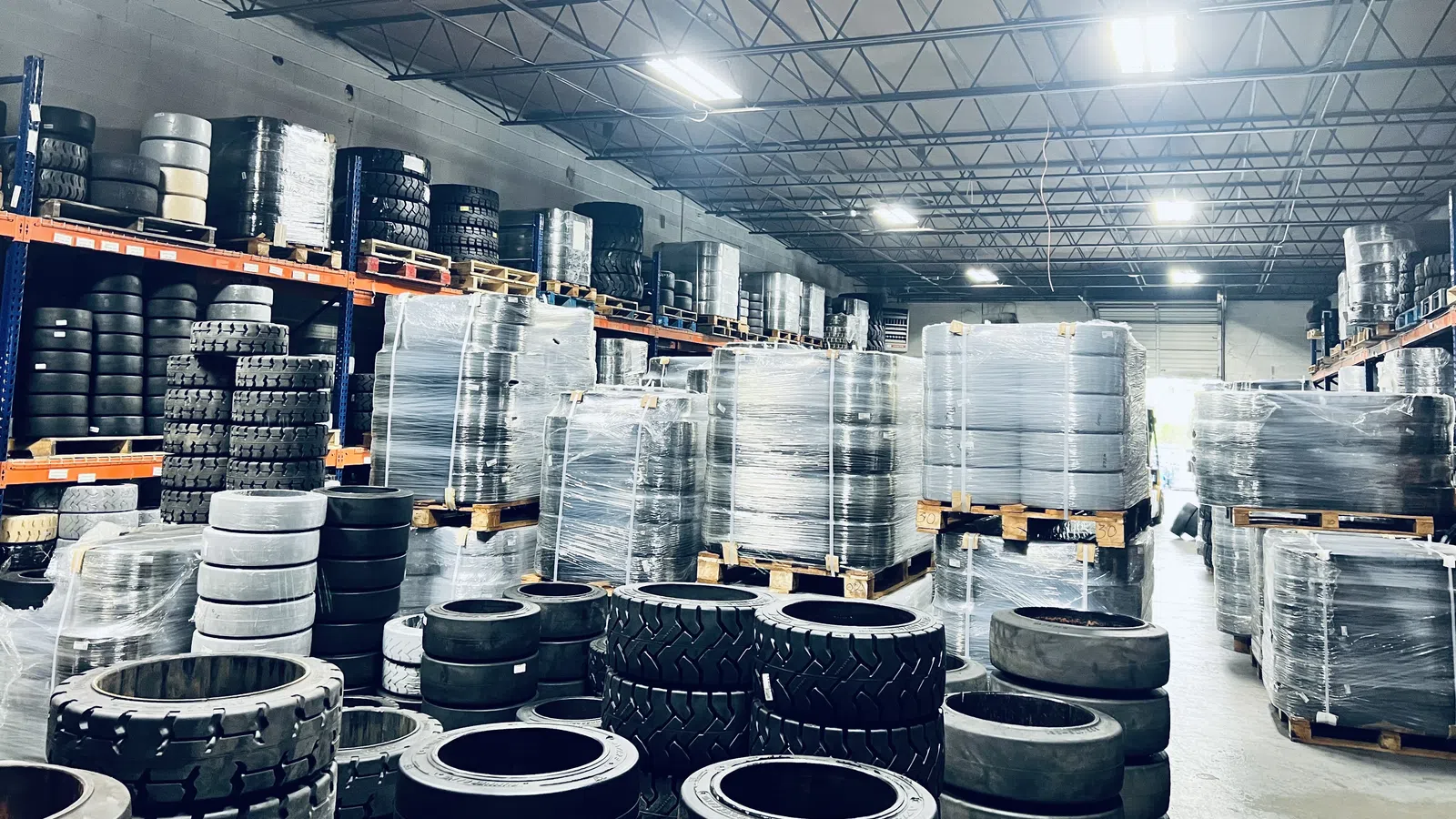
Warehouse filled with various sizes of black tires stacked on pallets and shelves under industrial lighting.

Wheel & Assembly Exchange

Swap the assembly. Roll immediately.

Assembly exchange removes press and cure time from your downtime. We bring tires already pressed or foam-filled onto our own wheels, swap them for the assemblies on your machine, and take yours back to our shop. The program covers 20 inch wheels and above, mostly telehandlers, skid steers, and aerial lift equipment.

Fleet and Sizes
WHY IT BEATS WAITING

Three delays the swap removes.

We inspect the wheel as part of every exchange, and wheels or complete assemblies are available on request.

Foam-fill without the cure time

Foam-filling requires the polyurethane to cure before the tire returns to load, and that wait is the single biggest objection to filling. With exchange assemblies the fill has already cured on our time. You skip the wait entirely.

Press work happens off your floor

Pressing tires on and off is the slow part of a cushion or poly tire change. Doing it in our shop rather than in your aisle takes it out of your downtime and off your production area.

Downtime measured in minutes

A standard tire change stops a machine for an hour or more. An assembly swap is unbolt, swap, bolt up, and go. For fleets where a stopped machine backs up everything behind it, that difference is the whole point.

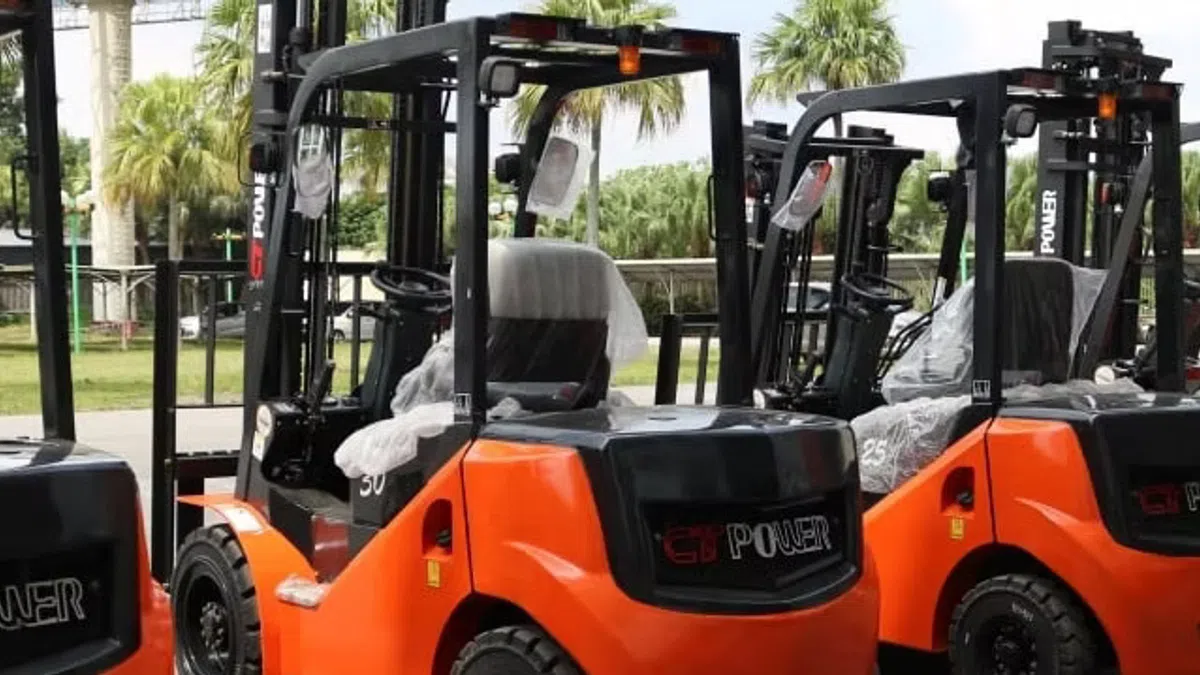
Row of orange forklifts parked outdoors with palm trees and greenery in the background under a clear sky
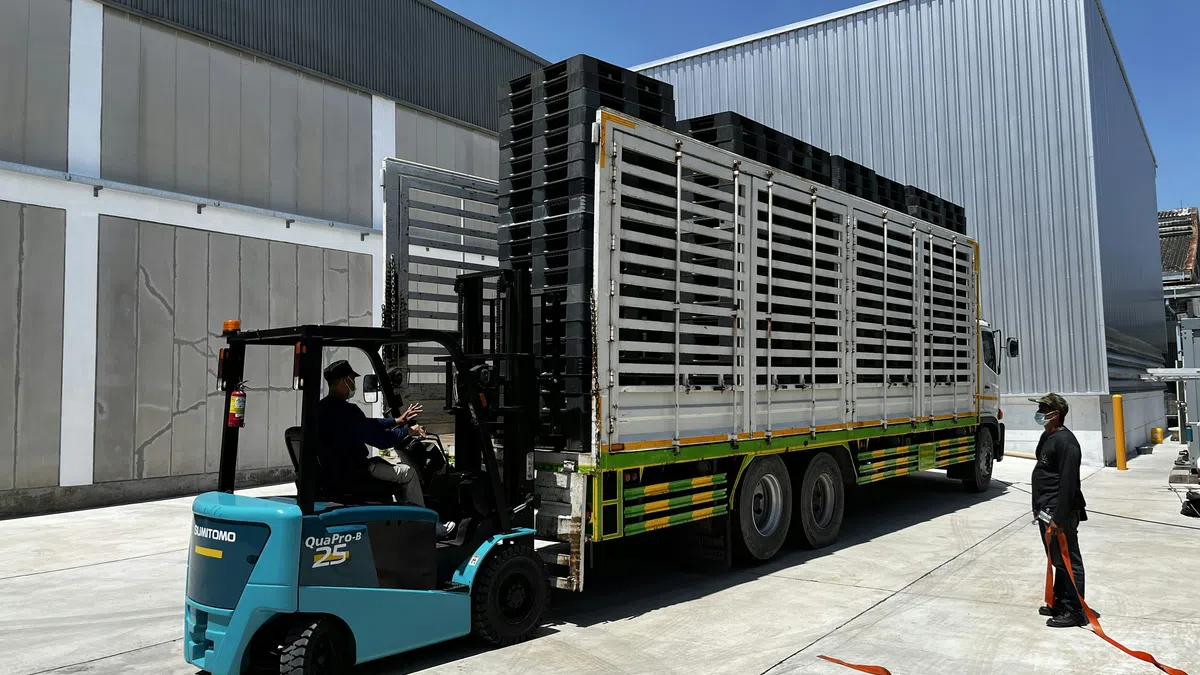
Forklift loading black crates onto a large white transport truck next to a warehouse under clear blue sky.
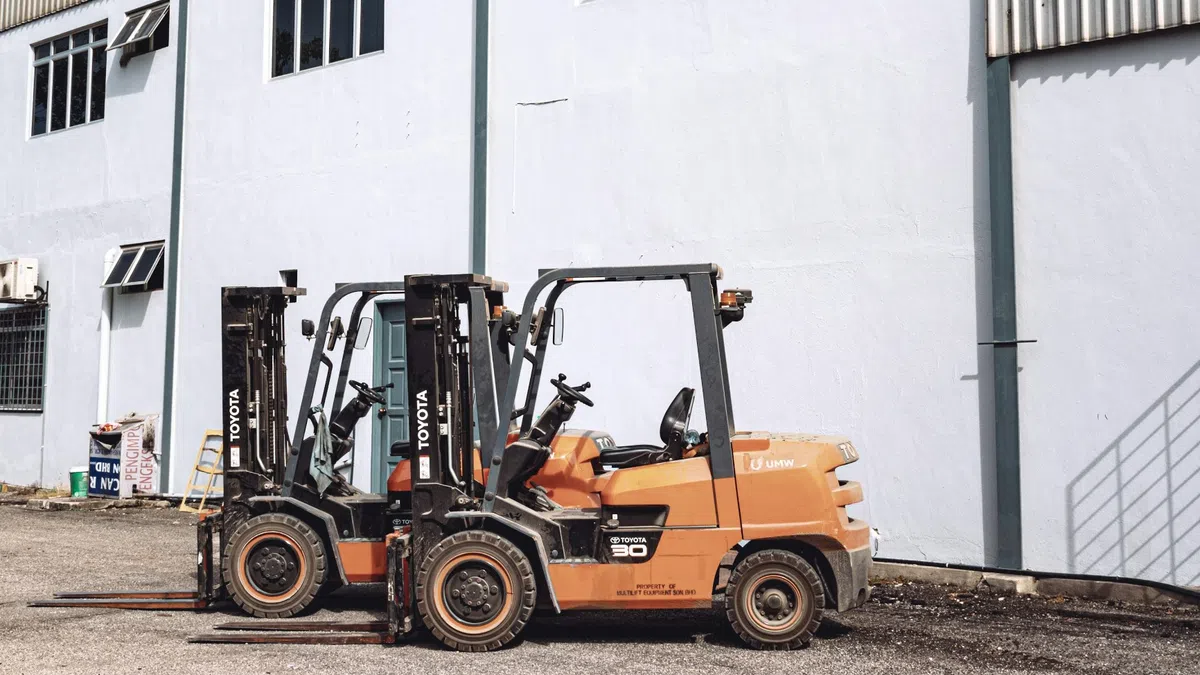
Two orange Toyota forklifts parked side by side outside a white industrial building on a sunny day

Who this works best for

If you run several machines on the same wheel and tire combination, exchange works cleanly because one set of assemblies covers the fleet in rotation.

Cold storage, food processing, high-throughput distribution, and anywhere a stopped forklift creates a queue behind it. The premium on speed is highest where downtime is most expensive.
A unit that has to go back out today cannot wait on a cure cycle. See rental fleet programs.

The program is built around larger assemblies, which is where press and cure time costs the most. Telehandlers, skid steers, and aerial lift equipment make up most of it, along with the larger forklifts.

EXCHANGE QUESTIONS WE HEAR MOST

FAQs

What's a wheel & assembly exchange?
A wheel and assembly exchange means we bring tires already pressed or foam-filled onto our own wheels, bolt them onto your machine, and take your old assemblies away. Your equipment rolls in minutes instead of waiting through press work or foam cure time.
How is this different from a normal tire change?
A normal tire change presses tires on and off at your site while the machine sits idle, and foam-filling adds cure time on top. An exchange does that work in our shop ahead of time, so the on-site portion is only unbolting one assembly and bolting on another.
Do I get my own wheels back?

Your original assemblies come back to our shop, where the tires are replaced or filled. Depending on the program, you either receive your own wheels back at the next exchange or stay in rotation on ours. We will set that up to suit your fleet.

Does exchange cost more than a standard install?

The tire cost is the same wholesale price. The exchange program is priced around the assemblies in rotation, and it becomes more economical the more machines you run on a common size. Call 770.446.6467 and we will run the numbers against your fleet.
SEE IF EXCHANGE FITS YOUR FLEET

Fleet size and common tire sizes

Tell us how many machines you run and what sizes they take. We will tell you honestly whether exchange saves you money or whether a standard on-site install is the better call.