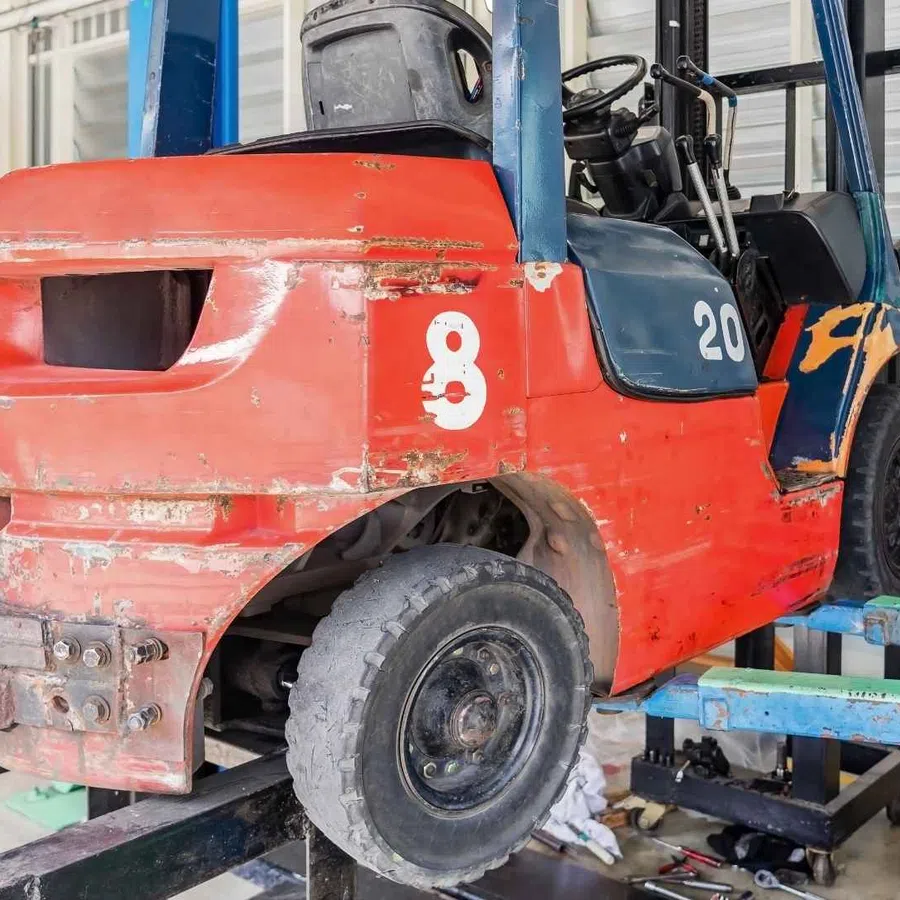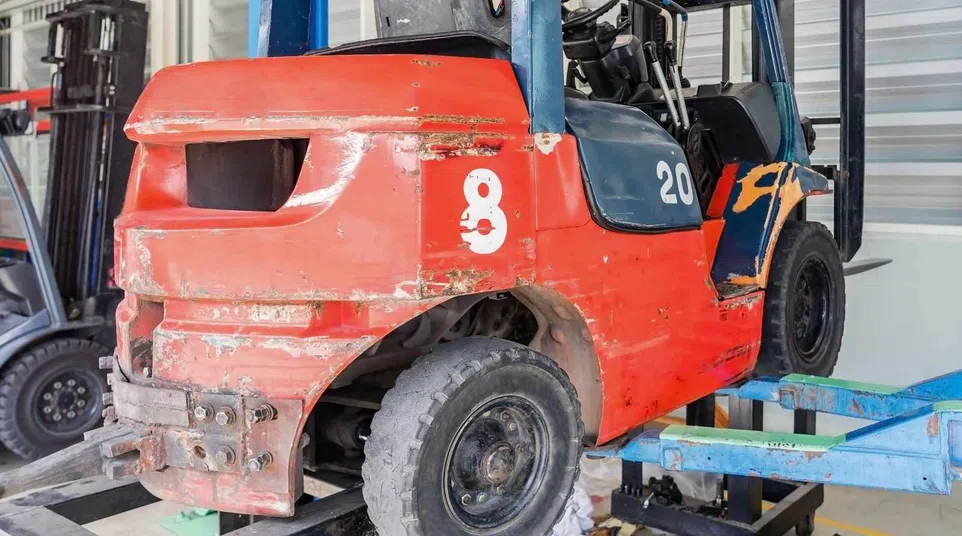
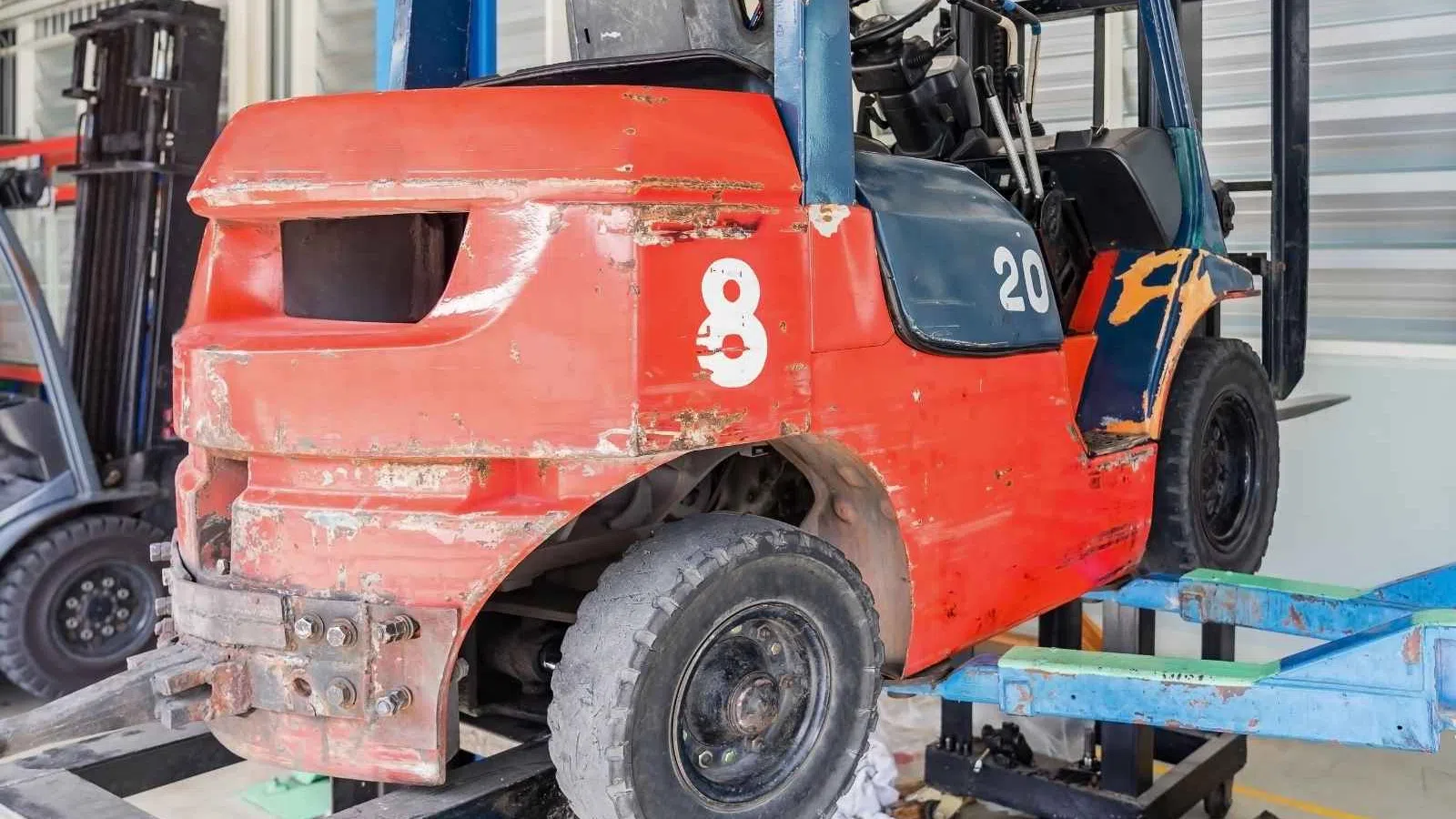
Red and blue forklift truck in a workshop with visible wear and damaged paint, under maintenance.

On-Site Forklift Tire Installation

The press comes to you.

On-site tire installation means our truck arrives with the mobile press, the tooling, and the tires already specified for your machine. The work happens where the equipment stands. No trailering, no trip to a shop, no machine sitting overnight.

Machine and Window
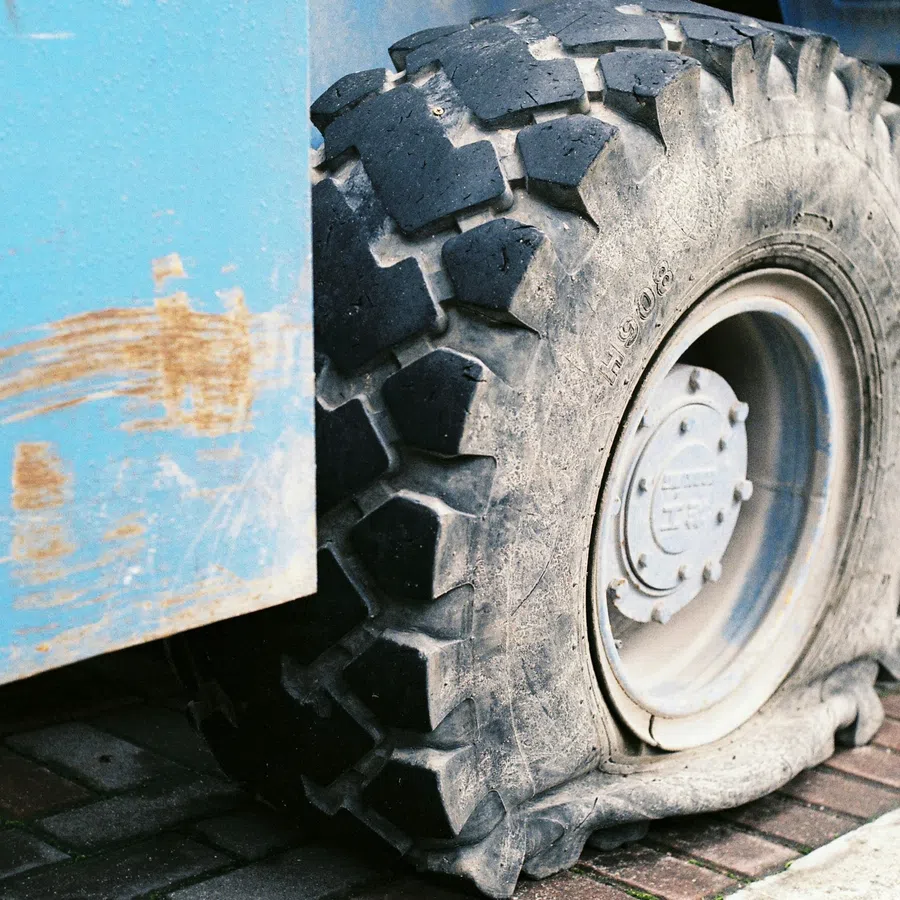
Close-up of a flat, worn-out tire on a blue industrial vehicle parked on a brick pavement.
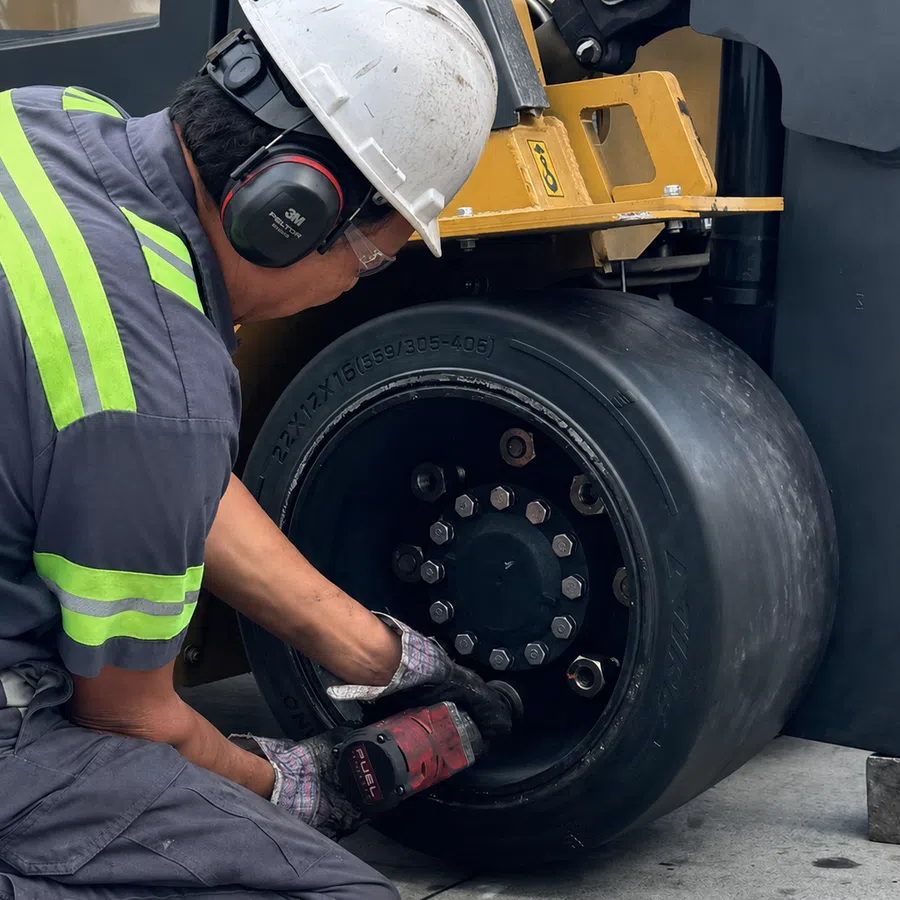
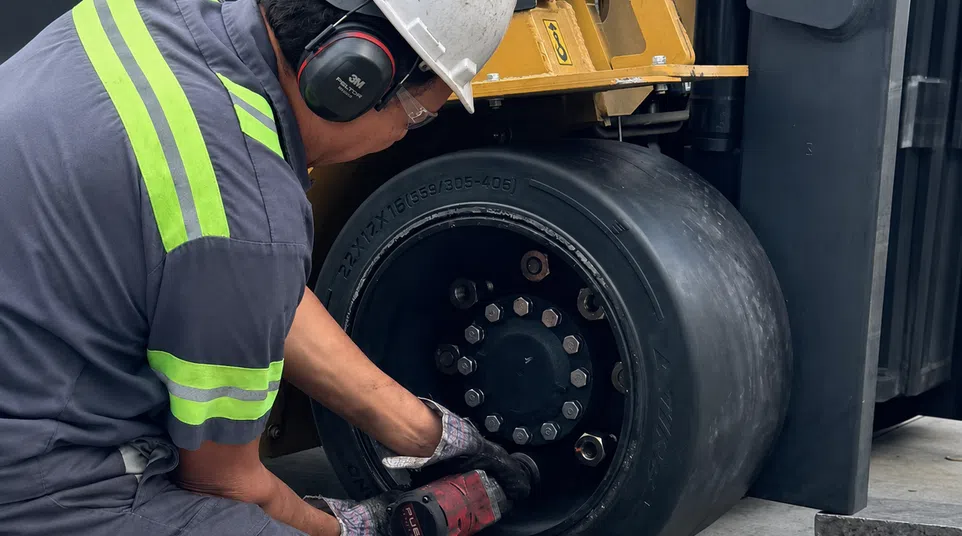
Worker in safety gear repairing or maintaining a heavy-duty forklift tire with power tool in industrial setting
Close-up of a worn red and blue forklift in an industrial workshop during repair or maintenance work

HOW ON-SITE INSTALLATION WORKS

Day to Day with Georgia Industrial Tire
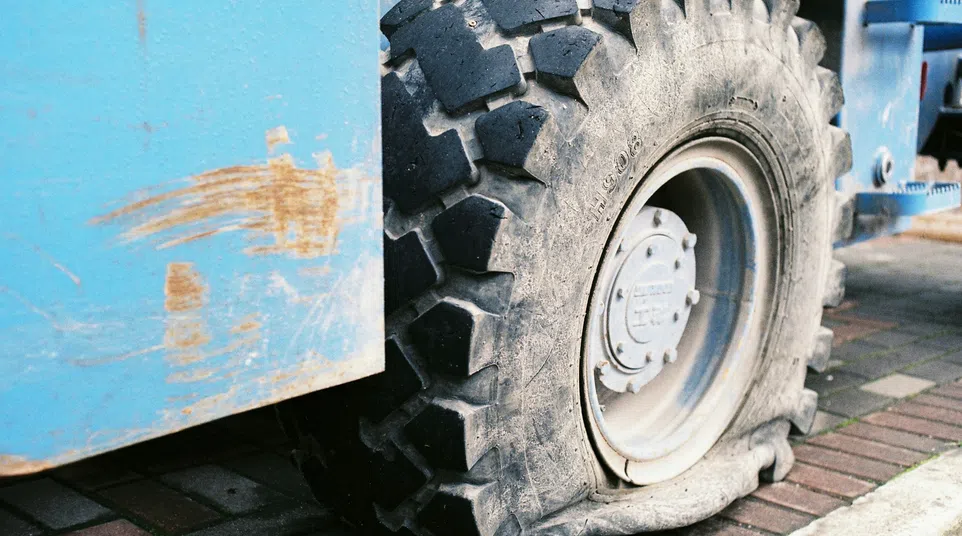
Close-up of a flat, worn-out tire on a blue industrial vehicle parked on a brick pavement.

Before we arrive

We confirm the tire, the size, and the quantity, and we schedule around your operation rather than ours. If you run shifts, we work the gap. If a machine is only free at 6am, that is when we come.

Worker in safety gear repairing or maintaining a heavy-duty forklift tire with power tool in industrial setting

When we're on-site

The truck arrives stocked with your tires and the press. Our Pressmen work in pairs when the job's complexity or safety calls for it. They set up in your aisle or your yard, remove the worn tires, press the new ones on, and check the fit before they leave.

Close-up of a worn red and blue forklift in an industrial workshop during repair or maintenance work

Before we leave your site

We confirm the machine is right, document the job, and haul the old tires away for EPD-compliant disposal. Invoicing follows promptly rather than weeks later.

The Rolling Advantage

The Benefit of Georgia Industrial Tire

01

Analyze the Application

We analyze how and where the tires are being used, not just size and price, to identify root causes of wear, failures, and downtime.

02

Recommend the Right Tire & Solution

We recommend the right tire and service approach for the application and clearly present the investment and expected performance, then follow up to ensure alignment.

03

Confirm, Schedule & Communicate

Once approved, we coordinate scheduling, confirm scope, and communicate expectations so there are no surprises.

04

Install with Precision

Tires are installed correctly, safely, and efficiently by trained technicians, followed by prompt invoicing and job documentation.

05

Validate Performance & Follow Up

We confirm performance, address any issues early, and ensure the customer is confident the solution delivered on its promise.

Experience the Difference with Georgia Industrial Tire Contact Us

Meet the Pressmen

Professionals with GIT

Over 15 years average experience, 3-month apprenticeship before running a press solo. They work fast while protecting your equipment, in pairs when safety calls for it, and show up on time, Atlanta traffic included.
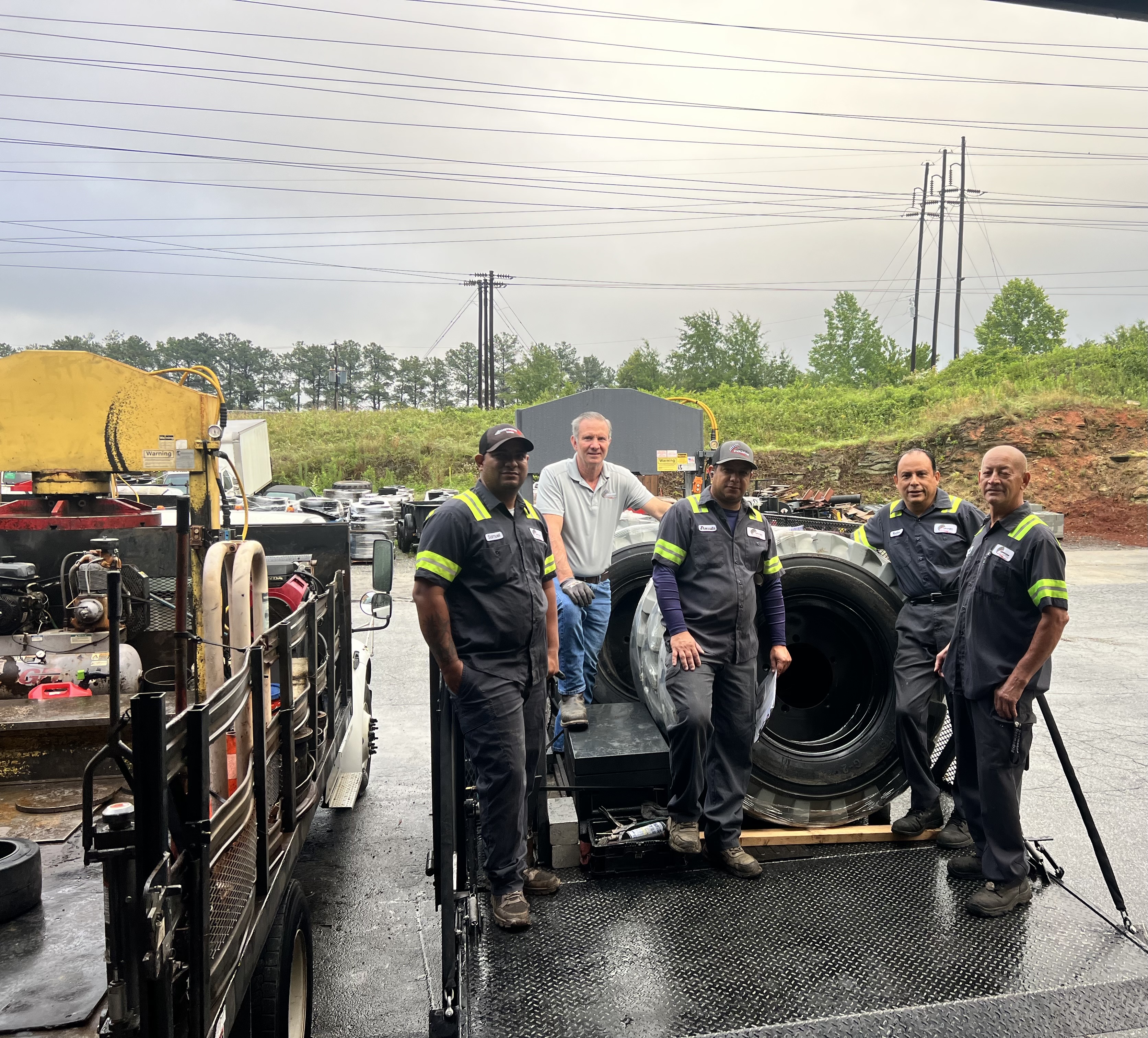
Georgia Industrial Tire Pressmen crew on a jobsite
10+ Yr Avg. Tenure
3-Mo Apprenticeship
’93 Serving Georgia

Watch for the warning signs

Signs It's Time to Replace

The 60J Line Solid and resilient tires carry a 60J line molded into the sidewall. When the rubber reaches it, the tire is done. Press-ons come off at roughly two-thirds of original rubber height. Smooth tread alone is not a replacement trigger.
Chunking and cracking Missing chunks of tread, cracks running across the tread face, or splits in the sidewall all mean replace now, not at the next interval. These are structural, not cosmetic.
Flat spots and vibration If an operator reports a new vibration or the truck develops a thump at speed, the tire has flat-spotted or debonded. This gets worse quickly and it is hard on the drive train.
Repeat punctures Two or more punctures on the same machine in a season is not bad luck, it is the wrong tire for the ground. That is a conversation about foam-filling or solid tires, not about another patch.

Mobile Tire Installation & Replacement Questions

FAQs

How long does on-site forklift tire installation take?

Most single-machine jobs are completed in one visit, typically inside an hour or two depending on the tire type and how many wheels are involved. Press-on tires go faster than pneumatic assemblies. We confirm an expected duration when we schedule so you can plan around the machine being down.

Do I need to bring my forklift anywhere?

No. Our trucks carry the 200 ton mobile press and tooling to your facility, so the forklift stays where it works. This is the main reason on-site installation exists: press-on tires cannot be changed without a press, and trailering a forklift to find one costs more than the tires.

Can you work around my production schedule?

Yes. We schedule around your operation, including early mornings, shift changes, and weekends where needed. Tell us the window when the machine is free and we will work in it.

What do you do with the old tires?

We haul them away and dispose of them under Georgia EPD regulations. You do not need to arrange disposal, store worn tires, or account for them.

Do you replace the wheel as well as the tire?

We can. Wheels and steel bands wear, corrode, and go out of round, and replacing a tire onto a failing wheel wastes the tire. We supply wheels, rims, and complete assemblies. See wheel and assembly exchange.

BOOK AN ON-SITE INSTALL

Equipment, size, and your window

Send the make, model, tire size, and when the machine is free. We will confirm a date and arrive stocked