Forklift Tire Types
Pick the right tire the first time.
Which Tire?
Start with the surface, then the load
THE FIVE TIRE TYPES, COMPARED
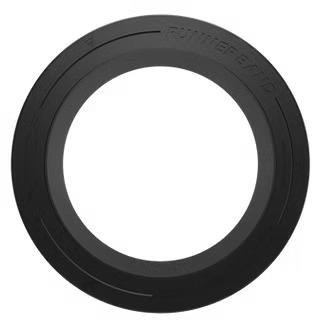 Cushion/Press-on Tires
Best for smooth solid surfaces, mainly indoor with light outdoor duty.
Cushion/Press-on Tires
Best for smooth solid surfaces, mainly indoor with light outdoor duty.
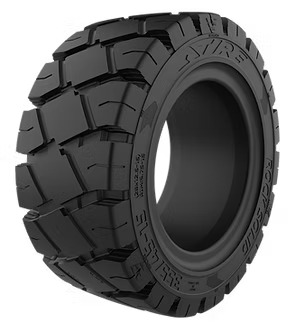 Solid Tires
Resilient and puncture-proof; the indoor-outdoor workhorse.
Solid Tires
Resilient and puncture-proof; the indoor-outdoor workhorse.
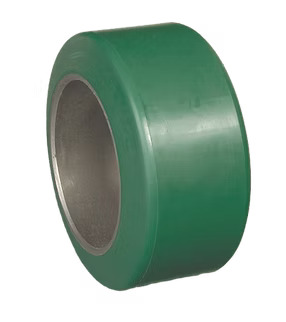 Polyurethane Tires
Polyurethane tires designed for electric lifts and high load-bearing applications.
Polyurethane Tires
Polyurethane tires designed for electric lifts and high load-bearing applications.
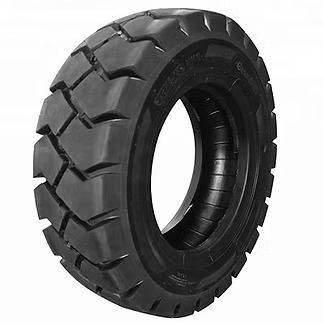 Pneumatic Tires
Softest ride.
Pneumatic Tires
Softest ride.
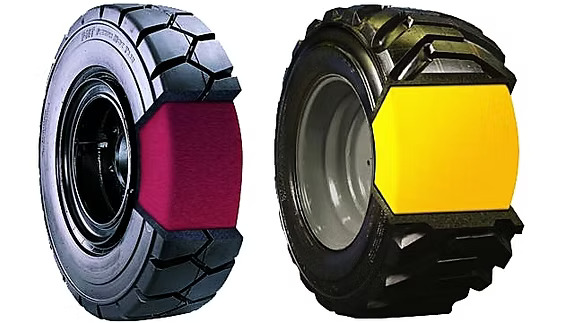 Foam-Filled Tires
A pneumatic ride that can’t go flat.
Foam-Filled Tires
A pneumatic ride that can’t go flat.
SOLID, FOAM-FILLED, OR AIR
Tire Types
Solid tires
Foam-filled tires
Pneumatic air tires
COMPOUND, DUROMETER AND COLOR
Our Tire Makes
Forklift tires come in five builds: cushion, solid, poly, foam-filled, and pneumatic. Which one you need comes down to the surface the machine runs on, the load it carries, and how many hours a day it runs. This page compares all five.
Rubber Compound
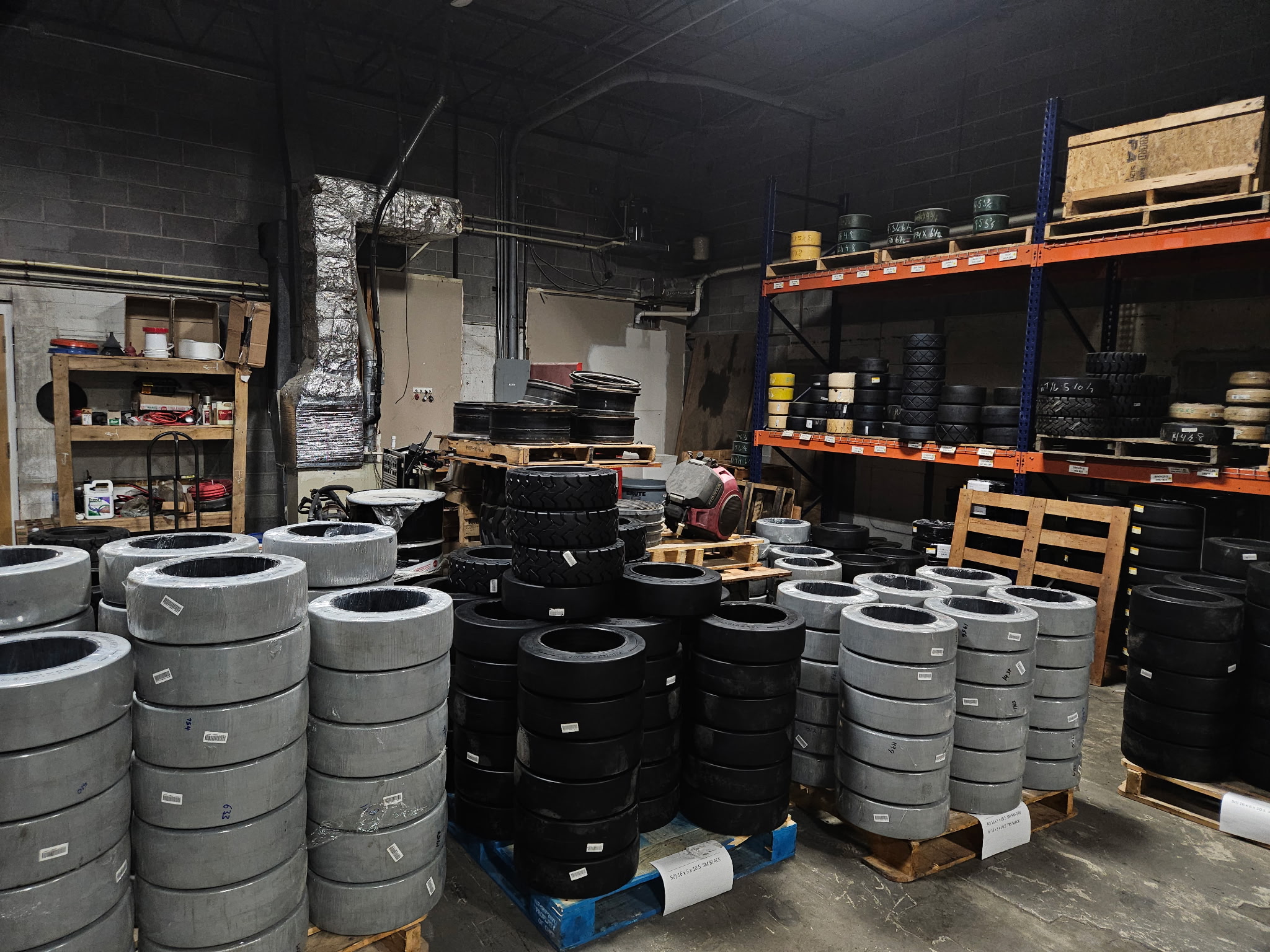
Rubber Compound gives you shear resistance, load-bearing capability, and cut resistance, with a durometer rating of roughly 60 to 70. Durometer is simply a measure of hardness: a higher number means a harder tire. Rubber Compound is available in standard black and in non-marking compounds.
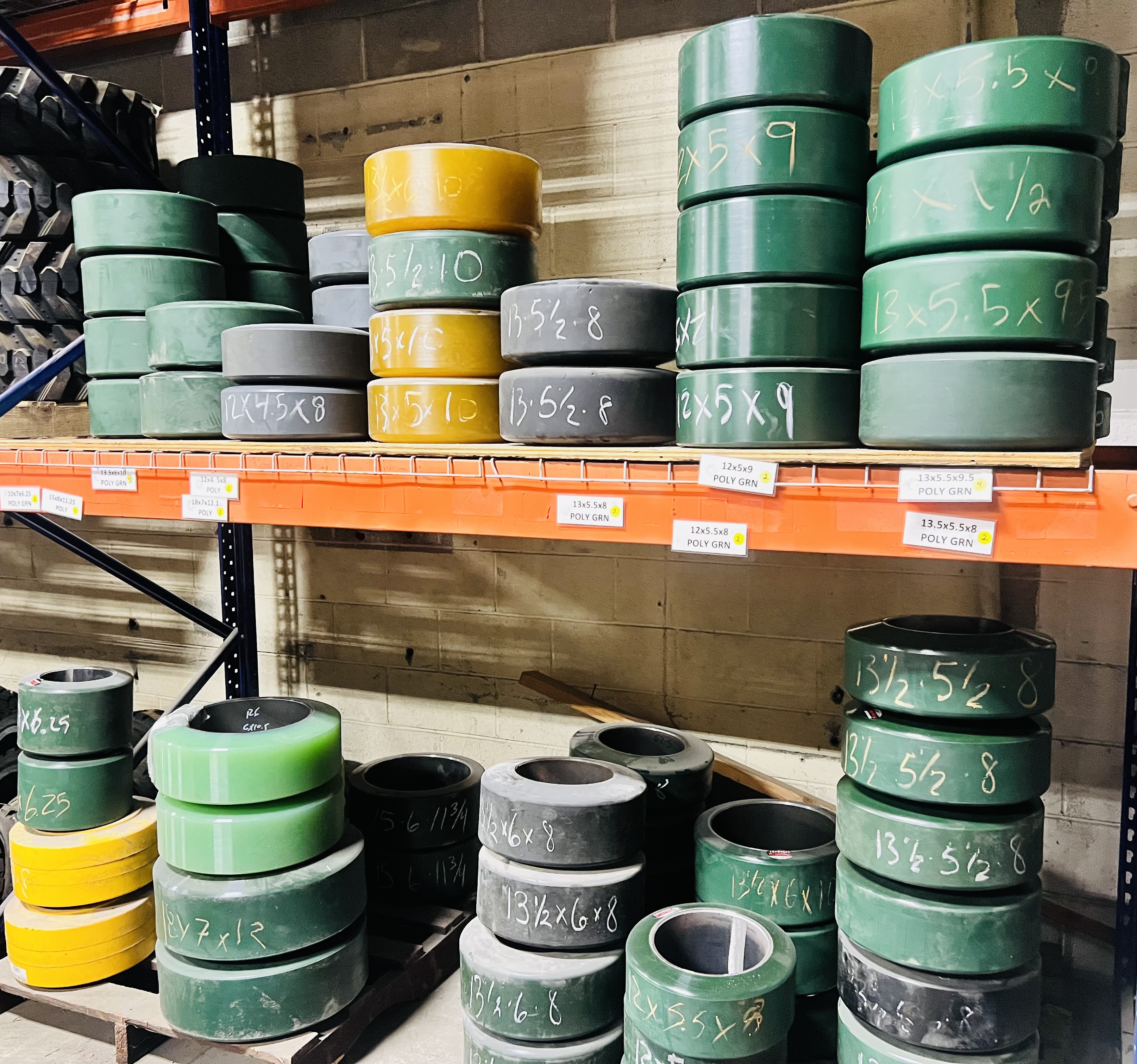
Polyurethane Compound
Polyurethane Compound runs harder, roughly 80 to 95 durometer, so it carries heavier loads at lower rolling resistance. That combination is why poly is the standard fit on electric lifts, where battery draw matters.
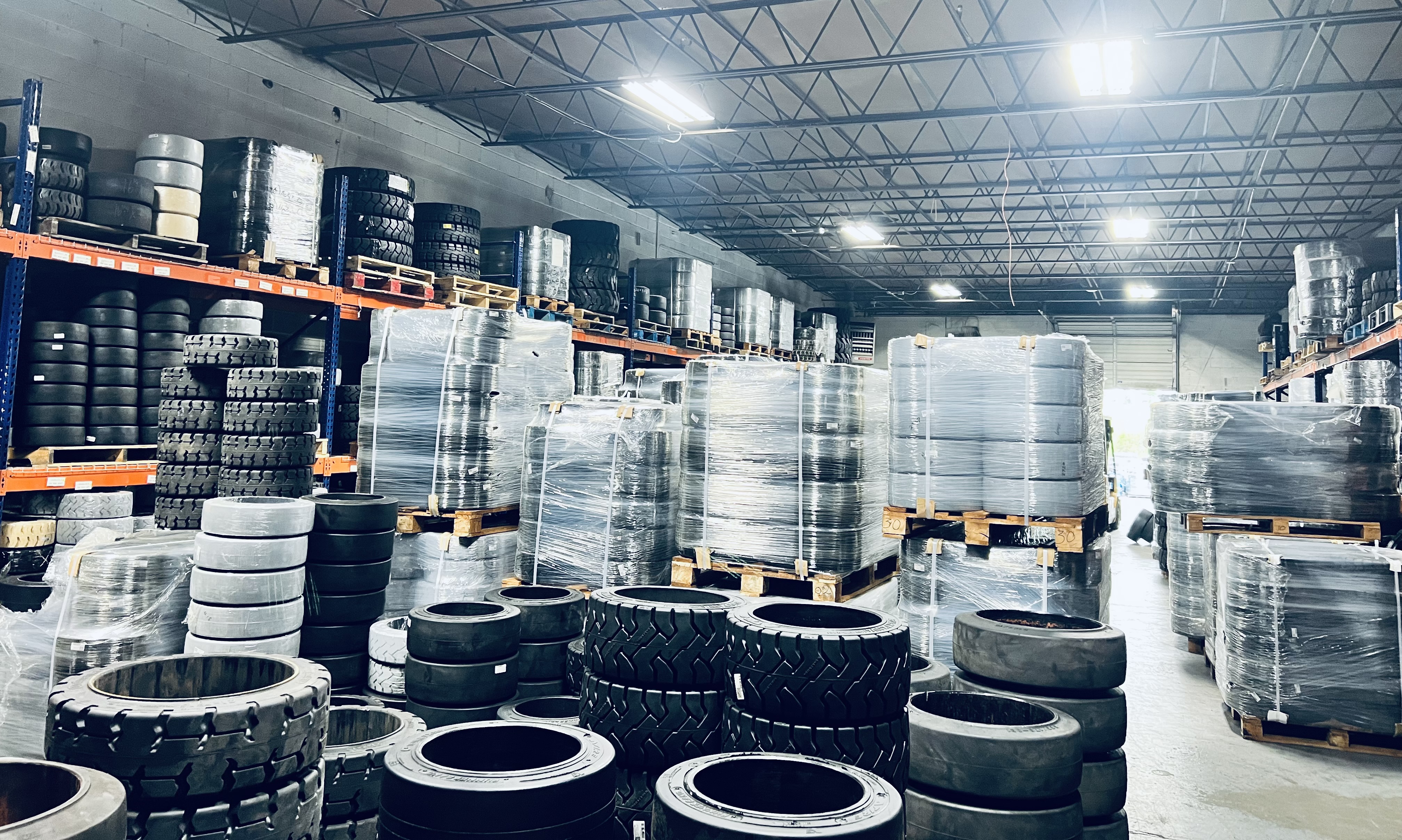
Standard black and non-marking
Rubber compounds come in universal black and in non-marking gray or white for clean-floor facilities. Polyurethane is different: every poly tire is non-marking by construction, and the color is a manufacturer's own identifier for durometer or a specialized compound rather than an industry-wide scale. If your floors are sealed, coated, or inspected, you need non-marking tires.
READING YOUR TIRE SIZE
The numbers on the sidewall
Industrial tire sizes are written as three numbers, and the format tells you what kind of tire it is. A press-on reads outside diameter x width x wheel diameter, like 18x7x12⅛. A pneumatic reads section width and rim diameter, like 7.00-12. Get the size wrong and the tire will not seat.
Pull the numbers off the sidewall or the wheel and check them against our forklift tire size chart. If the sidewall is worn past reading, send us a photo of the wheel and the machine's data plate and we will identify it
Jump to your machine
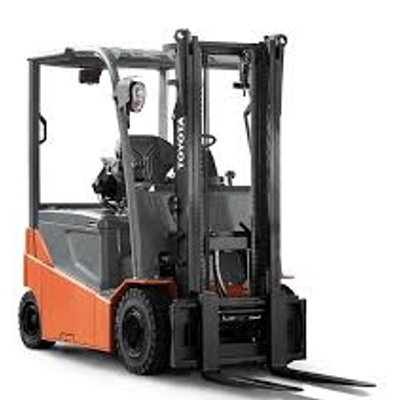
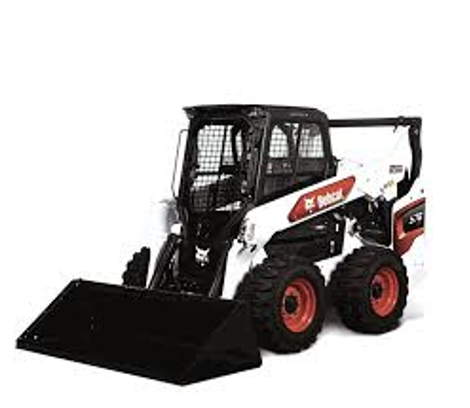
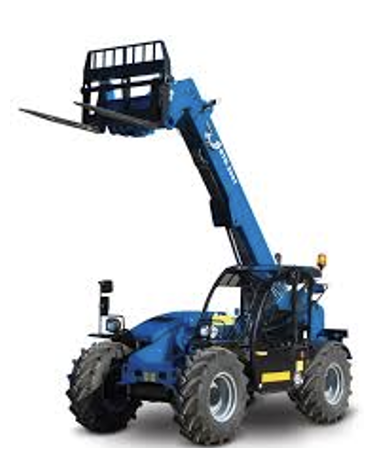
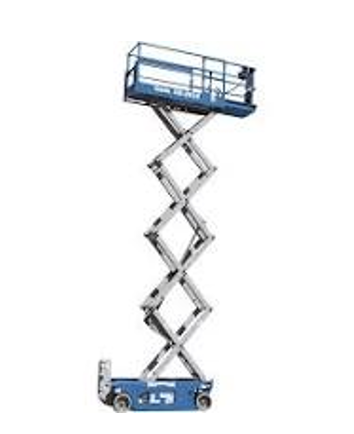
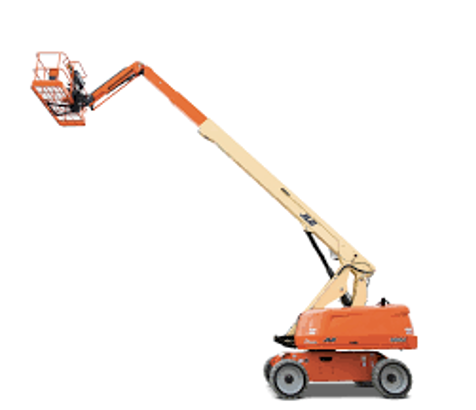
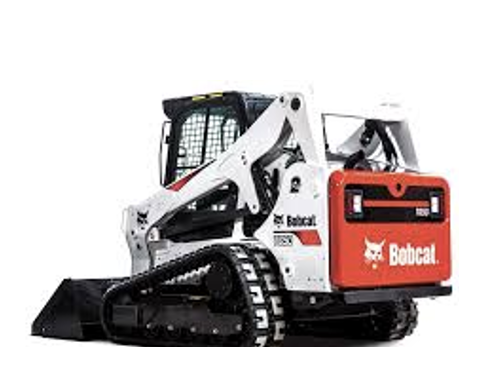
TIRES BY EQUIPMENT TYPE
TIRE TYPE QUESTIONS WE HEAR MOST
Forklift Tires