
Foam-Filled Tires
A pneumatic ride that can't go flat.
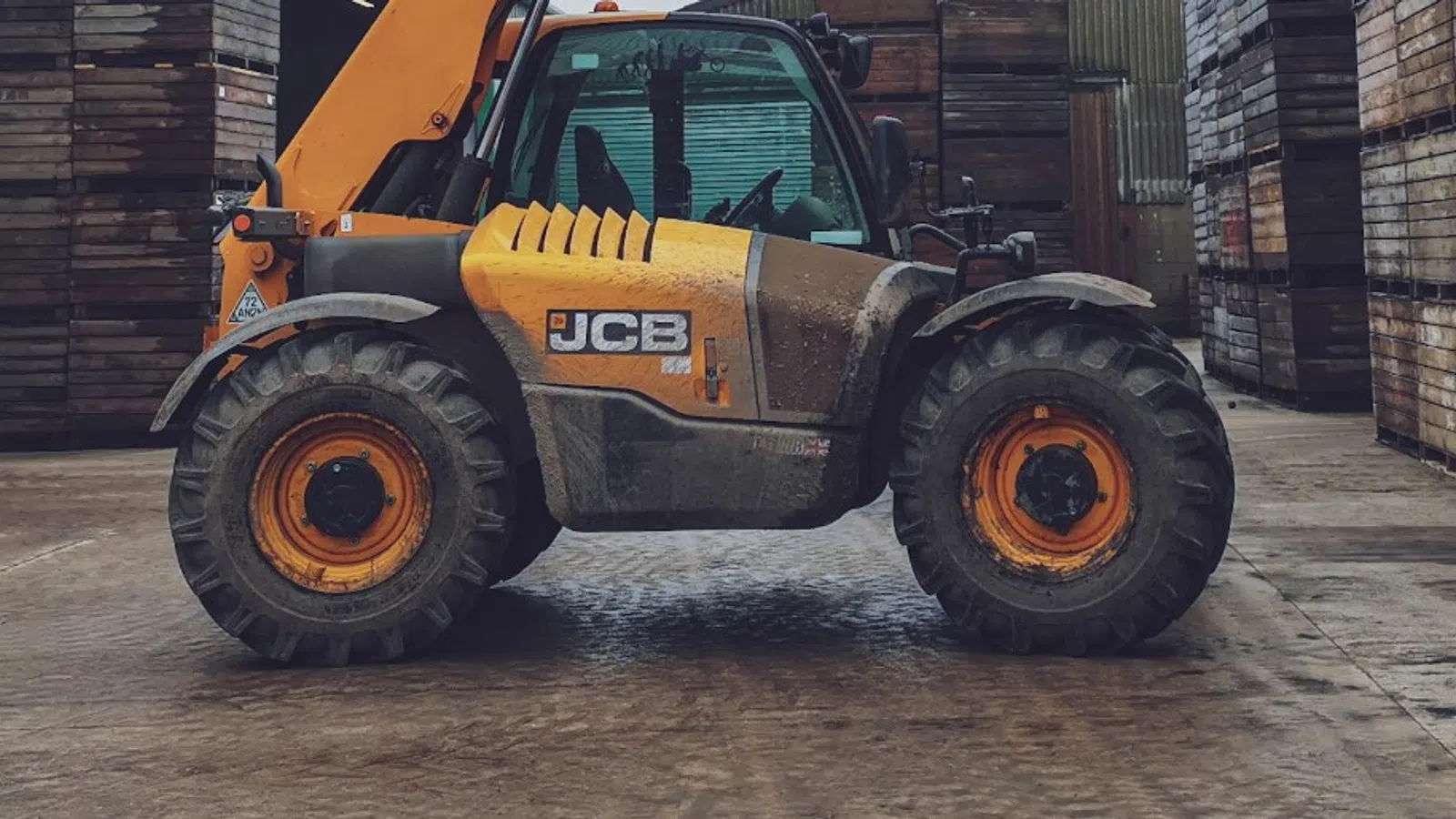
A foam-filled tire is a standard pneumatic tire with the air replaced by a liquid polyurethane that cures to a rubberlike solid. It keeps the original tread, diameter, and ground clearance, and it cannot go flat, because there is nothing in it that can escape.
Size and Machine
HOW FOAM-FILLING WORKS
The process, and the wait it creates
Liquid in, solid out
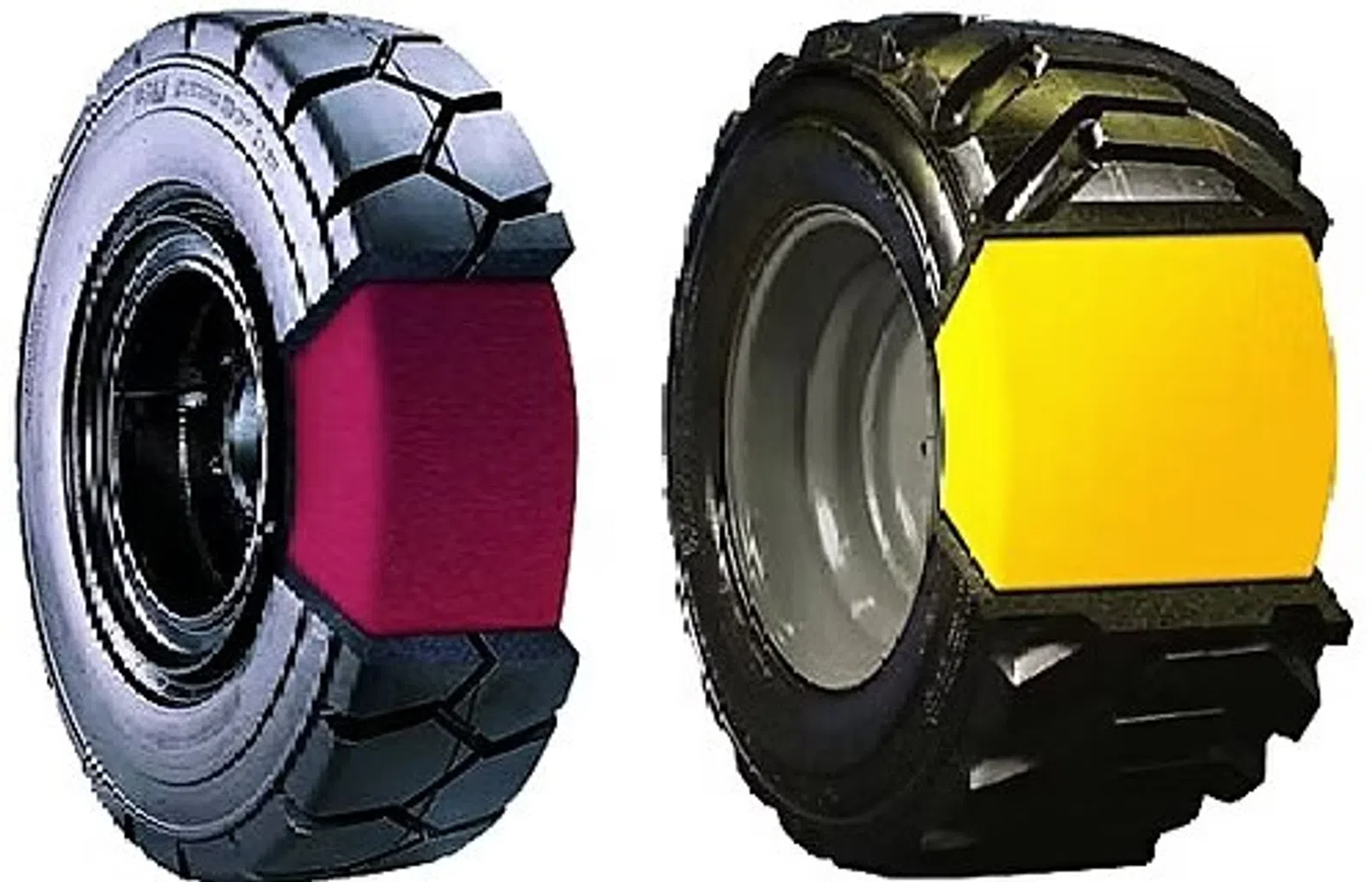
The valve stem is replaced with a fill fitting and two-part polyurethane is pumped in until the casing is full, displacing all air. It cures into a solid elastomer bonded to the casing, leaving a tire that weighs substantially more and behaves like a very heavy pneumatic.
Cure time is the catch
The polyurethane needs time to cure before the tire goes back under load, and that wait is the main reason people avoid foam-fill. It is also why we stock pre-filled assemblies.
Pre-filled assemblies skip the wait
Through our wheel and assembly exchange we bring foam-filled assemblies already on our own wheels, swap them for yours on-site, and take yours back for filling. Your machine rolls the same visit and the cure happens on our time.
THE HONEST TRADEOFF
Weight, cost, and permanence
A foam-filled tire is heavy, and on smaller equipment that weight shows up in handling and adds load to bearings and axles. Filling costs more than the tire itself on larger sizes, and it is permanent: once the tread is gone the whole assembly is scrap rather than a recappable casing. Against that, you get a tire that will not stop your machine, and whether the trade is worth it comes down to what an unplanned stop costs you.
Four equipment lines, one crew
TIRES FOR THE EQUIPMENT YOU RUN
FOAM-FILLED TIRE QUESTIONS WE HEAR MOST
FAQs
What is a foam-filled tire?
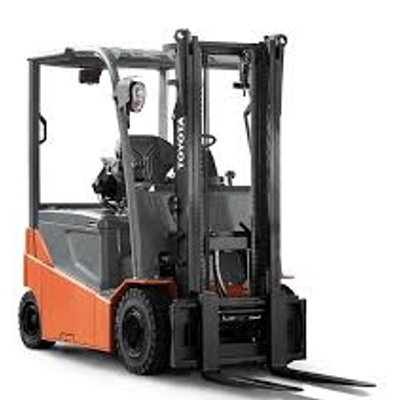
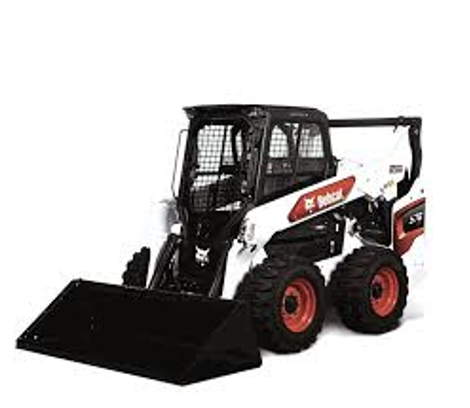
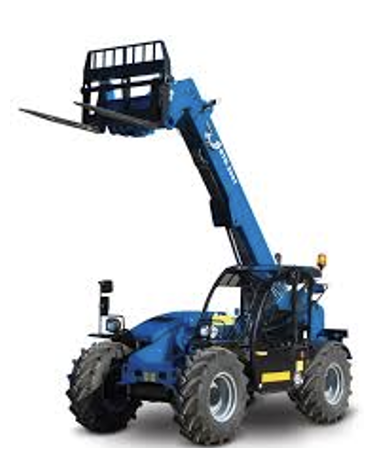
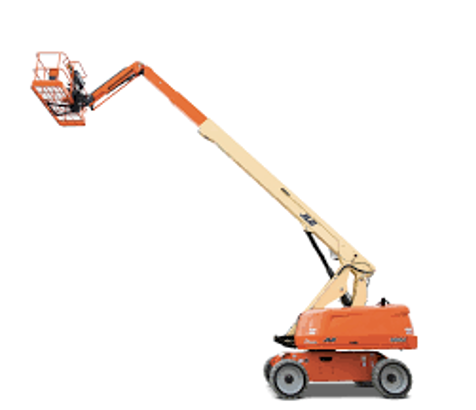
A foam-filled tire is a standard pneumatic tire in which the air has been replaced with a two-part polyurethane that cures into a solid elastomer. The tire keeps its original tread, diameter, and ground clearance but cannot go flat. It is commonly used on forklifts, skid steers, telehandlers, and boom lifts.
How much does it cost to foam-fill a tire?
Foam-filling is priced by the volume of polyurethane the casing holds, so a large rough terrain tire costs considerably more to fill than a small forklift tire. On bigger sizes the fill can cost more than the tire itself. Call 770.446.6467 with the tire size for a wholesale quote.
Is foam-fill better than a solid tire?
Foam-fill is better when you want to keep the exact tread and ground profile of the tire the machine was specified with. Solid tires last longer and weigh less for their size. Foam-fill rides closer to an air tire, which operators generally prefer, and it can be applied to a tire you already own.
How much heavier is a foam-filled tire?
A foam-filled tire typically weighs two to three times what the same tire weighs filled with air, depending on size. That weight sits low in the wheel, which helps stability on lifts, but it does add load to bearings and axles over time. On very small equipment the added weight is worth discussing before filling.
Can a foam-filled tire be repaired?
No. Once a tire is foam-filled the fill is permanent and the tire cannot be unfilled or patched. Minor tread damage does not affect performance because there is no air to lose, but when the tread is worn out the whole tire is replaced rather than repaired or recapped.
How long does foam-filling take?
The fill itself is quick but the polyurethane needs time to cure before the tire returns to load. That wait is why we stock pre- filled assemblies: we bring filled assemblies on our own wheels, swap them on-site, and fill yours back at the shop, so your machine is not waiting on cure time.