
Industrial tire service in Forest Park, GA
High-cycle fleets, minimum downtime
We supply and fit industrial tires across Forest Park and Clayton County, serving airport freight corridors and distribution and manufacturing fleets. High-cycle operations here run conditions a general catalogue misses: cold storage, wash-down, and product-contact floors.
Start Here
High-cycle freight and food handling
EQUIPMENT WE COVER IN CLAYTON COUNTY
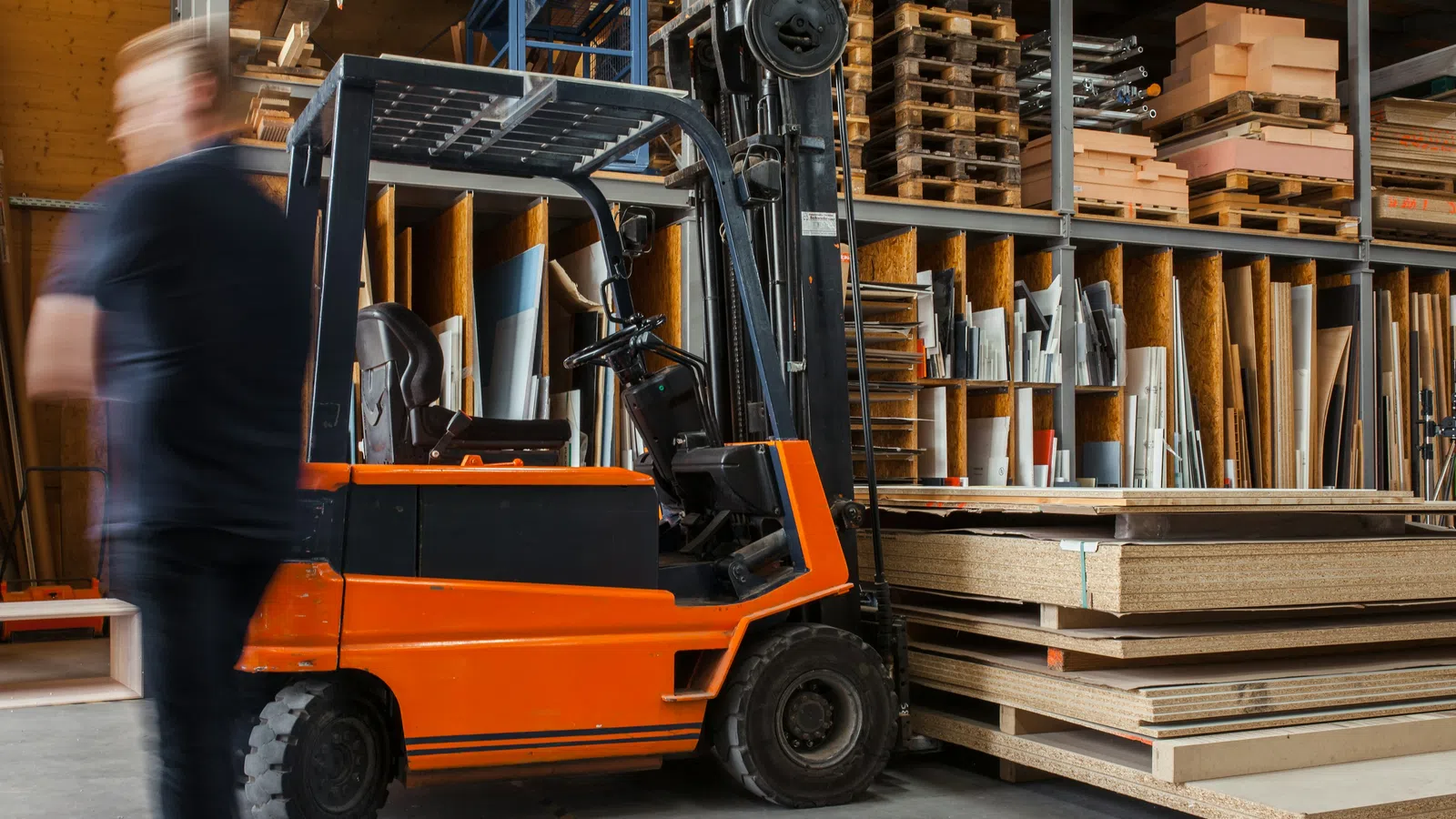
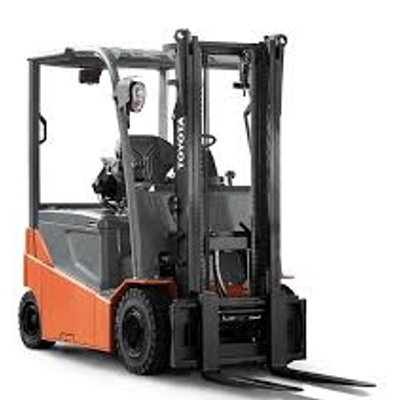
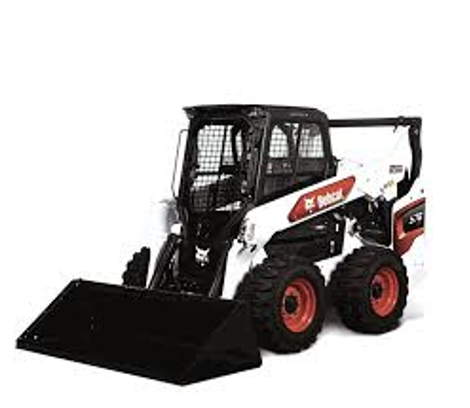
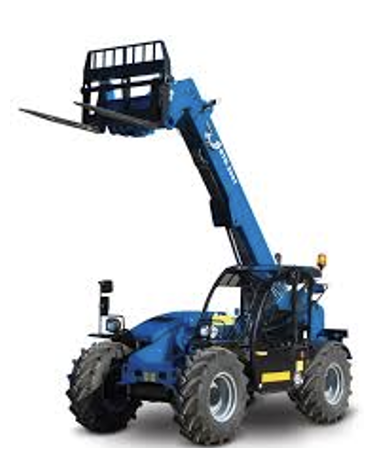
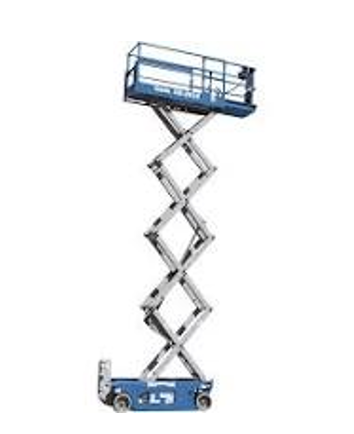
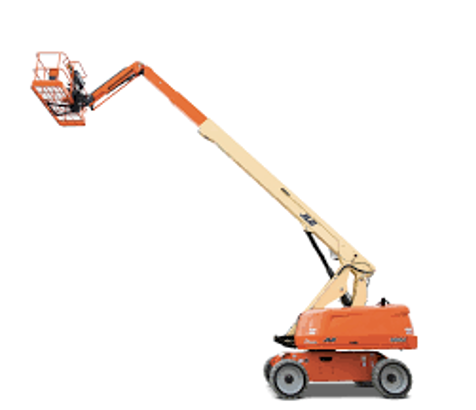
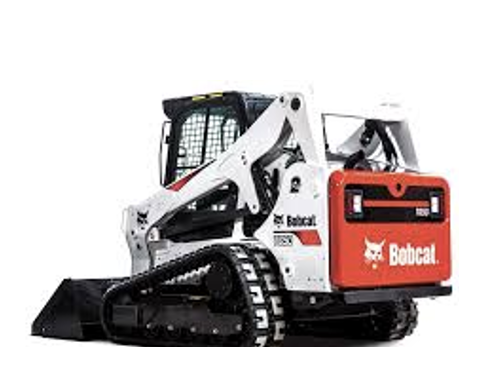
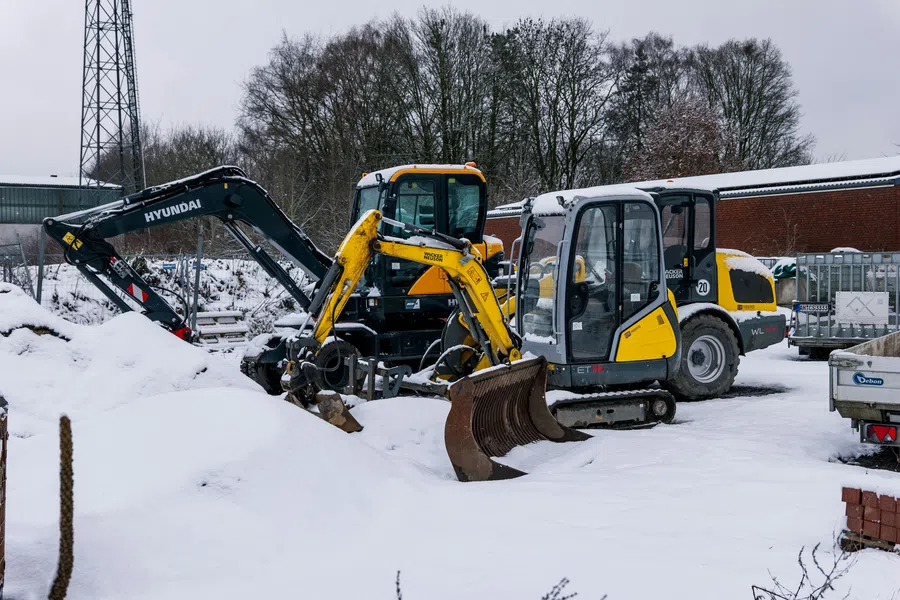
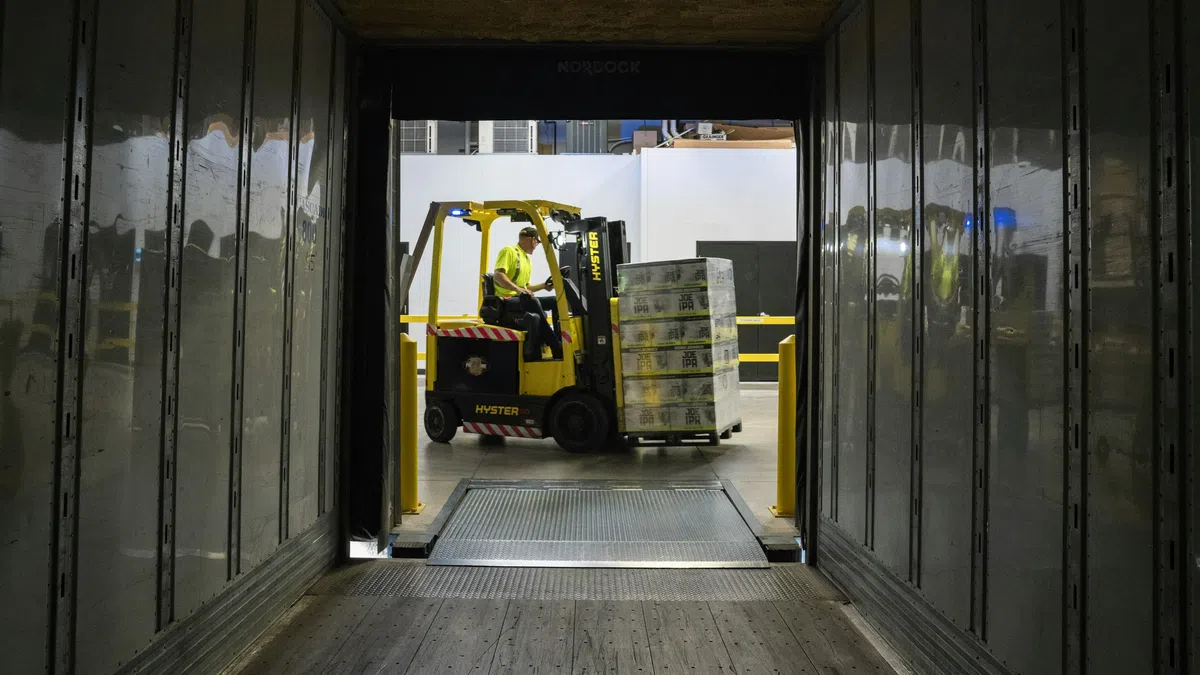
Forklift tires are the overwhelming majority of Clayton work, on continuous-duty lift trucks through the Forest Pkwy and airport freight corridor. Scissor lift work runs a close second, almost always in non-marking compounds for product-contact areas. Skid steer tires, telehandler, and boom lift work cover the yard side and the smaller industrial around Conley and Ellenwood.
Cold storage hardens a standard compound
Debonding, not wear
What temperature does to rubber
Rubber stiffens as it gets colder. A compound formulated for ambient warehouse temperatures loses flexibility in a freezer, and a stiffer tire chips and cracks under the same load it handled fine at the dock.
Cycling is worse than cold
The harder problem in Clayton freight is cycling, not sustained cold. A lift running dock to freezer many times a shift puts expansion and contraction through the bond between rubber and band, which is why cold storage tires debond rather than wear out.
Tell us the machine cycles into a freezer and we will specify for it. See solid pneumatic tires and cushion press-on tires for the compounds involved.
Perishables and product-contact areas need non-marking
What the auditor sees
Where it stops being a preference
In food handling and product-contact areas, black tire marking is not a cosmetic issue but an inspection one. Facilities working perishables through the Farmers Market corridor and the airport freight operations generally run non-marking tires in gray or white as standard.
The tradeoff, stated plainly
Non-marking compounds wear somewhat faster than standard black, because the carbon black they leave out is what provides abrasion resistance. On the smooth indoor floors where non-marking is used, that difference is small. Against a failed inspection it is not a close call.
WHERE WE WORK IN CLAYTON COUNTY
Areas we serve
Primary corridors
Forest Pkwy, Old Dixie Hwy, Jonesboro Rd, Conley Rd, Georgia Farmers Market area
Interstate
Also covered
Scheduling
SUB-AREAS WE WORK IN AND AROUND FOREST PARK
ON-SITE INSTALLATION IN CLAYTON COUNTY
An hour, not a shift
Our truck brings the press to your dock, which on a high-cycle freight floor is the difference between an hour down and a shift down. Worn tires leave with us for EPD-compliant disposal. See how on-site tire installation works.
Questions from Clayton County fleets
Do forklift tires need to be different for cold storage?
Yes. Rubber stiffens as it cools, and a compound formulated for ambient temperatures chips and cracks in a freezer under
loads it handled fine at the dock. Tell us the machine cycles into cold storage and we will specify a compound rated for it.
Why do cold storage forklift tires debond rather than wear out?
Because of temperature cycling rather than cold itself. A lift running dock to freezer and back moves through a wide range
many times a shift, and repeated expansion and contraction works the bond between the rubber and the steel band until it
separates.
Do we need non-marking tires in a food facility?
In product-contact and perishables areas, generally yes. Black tire marking on finished floors becomes an inspection finding rather than a cosmetic complaint. Non-marking compounds in gray or white are standard for these areas and we stock both.
Do non-marking tires wear out faster?
Somewhat, because the carbon black they omit is what provides abrasion resistance. On the smooth indoor floors where non-marking tires are used, the difference is small. Against the cost of a failed inspection it rarely matters.
How quickly can you get to the airport freight corridor?
Forest Park is close to our Doraville shop and we run the corridor regularly, so lead times here are among the shortest in our service area. Call 770.446.6467 with the size and we will confirm stock and a date on the call.