Boom Lift Tires
Flat-proof footing on rough ground.
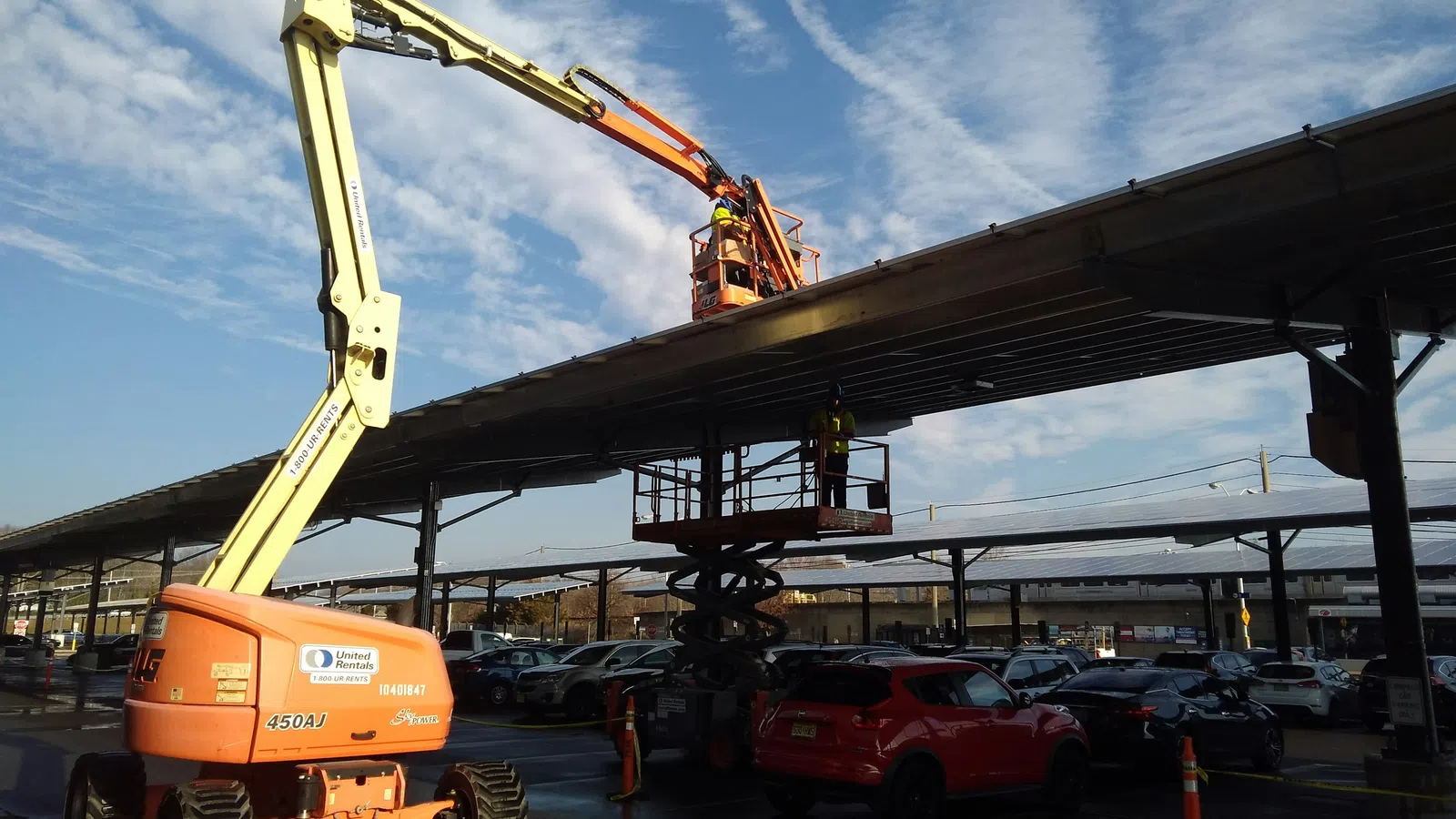
Boom lifts, and aerial hi-lifts generally, face a problem other equipment does not: the machine is least stable exactly when a flat matters most. A failing tire at height is a safety problem, not a downtime problem, which is why most rough-terrain units end up foam-filled.
Model and Site

ROUGH TERRAIN AND FOUR-WHEEL DRIVE CONSIDERATIONS
Match all four
Rough terrain boom lifts drive all four wheels. Mixing tire types, tread depths, or diameters across axles puts strain on the drive system and produces uneven wear that gets worse over time. Replace in matched sets, and if you foam-fill, fill all four.
Check the tread, not just the pressure
On a foam-filled boom lift tire there is no pressure to check, which means the only wear signal left is the tread and the sidewall. Build a visual check into the same routine that used to be a pressure check, or the tire will get ignored until it fails.
FOAM-FILLED VS PNEUMATIC BOOM LIFT TIRES
How to choose
Foam-filled
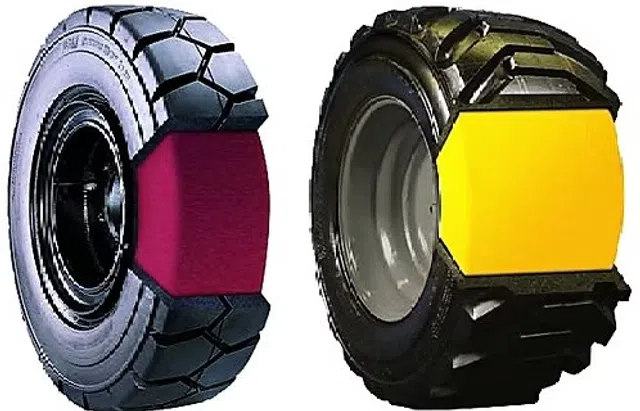
Foam-filling fills the tire the machine was built with using polyurethane that cures solid, so tread, diameter, and ground clearance stay as specified. The tire cannot go flat, and the added weight sits low where it helps stability at reach.
Pneumatic
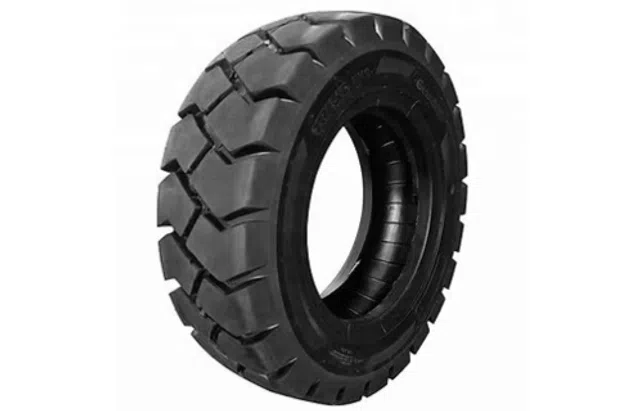
Pneumatic boom lift tires give better flotation and a softer ride while tramming, a reasonable specification on prepared sites. On construction ground with rebar and debris, punctures are a matter of when, each one a service trip.
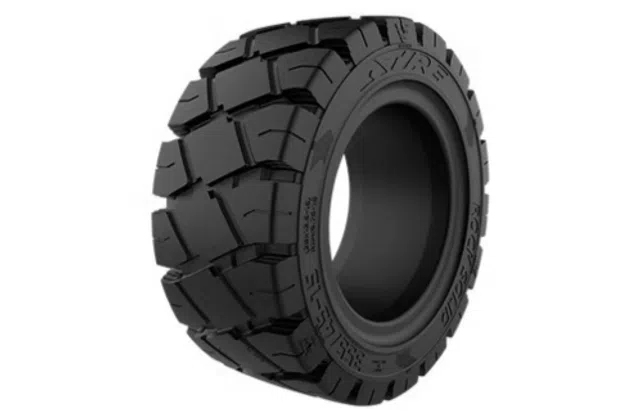
Choosing between them
If the machine works prepared surfaces and gets trailered between clean sites, pneumatic is fine. If it works active construction, demolition, or scrap ground, foam-fill it. Filling costs little next to one recovery on a live site.
Boom Lift Tire Questions We Hear Most
FAQs